How Small Businesses Are Cutting Utility Bills with Grant Funding
Updated for USDA's October 1, 2026 REAP rule.
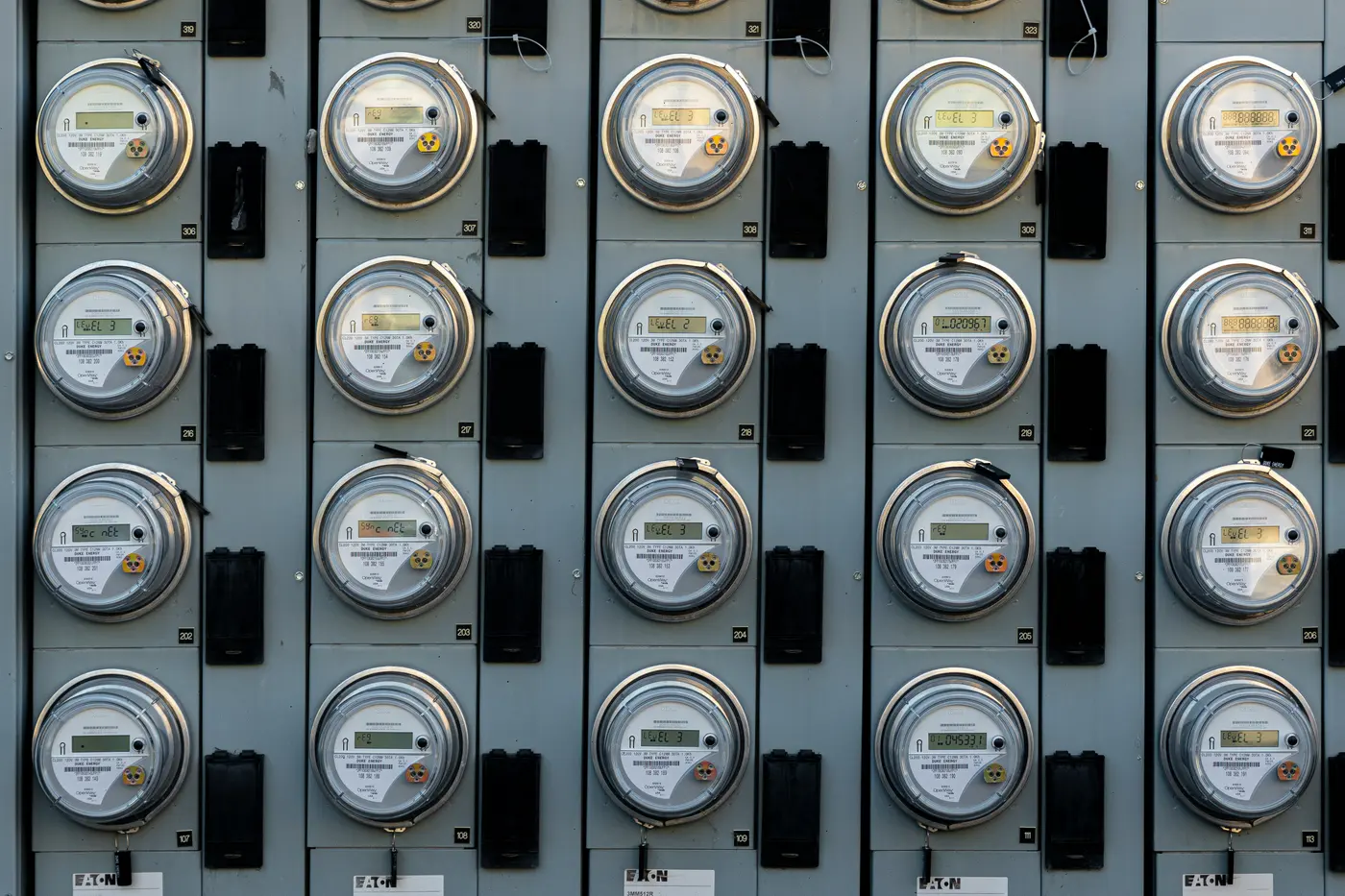
For many small businesses, especially those in rural areas, rising utility bills can eat away at profit margins and slow growth. With the right funding opportunities, businesses can take control of their energy costs, improve efficiency, and invest in long-term stability. One of the most powerful tools available is the USDA’s Rural Energy for America Program (REAP) grant. (7 CFR §4280.101)
This program provides capital in the form of grants and guaranteed loans for renewable energy and energy efficiency projects. (7 CFR §4280.101; §4280.122(b)(20)) Whether it’s upgrading HVAC systems, installing solar panels, or improving insulation, the REAP program is helping rural businesses and farmers cut costs while modernizing their operations. Under the new rule published October 1, 2026, the grant comes after the work is done. The project must be completed 12 to 24 months before you apply, or 12 to 36 months for the first application window. (7 CFR §4280.122(a)(1), (a)(6))
Why REAP is a Big Opportunity for Small Businesses
REAP is for agricultural producers and rural small businesses. (7 CFR §4280.120(a)(4)) By reducing monthly utility expenses, businesses can redirect savings toward expansion, staffing, or new product lines. Grants can cover up to 25% of project costs, making projects far more affordable. (7 CFR §4280.122(a)(3)) And when paired with tax incentives or financing, the savings multiply even faster. Two REAP limits apply. Your REAP grant and any REAP guaranteed loan together cannot top 75% of the project cost. (7 CFR §4280.122(b)(20)) And the business must own the system, so leased systems and systems owned by someone else under a power purchase agreement do not work. (7 CFR §4280.120(a)(6)) See project financing for options.
What It Takes to Qualify
Not every business will qualify. Under the new rule, the basics include:
- The project is in a rural area. (7 CFR §4280.122(a)(4))
- The project was completed 12 to 24 months before you apply. (7 CFR §4280.122(a)(1))
- The business owns the system and has a dedicated meter for it. (7 CFR §4280.120(a)(6); §4280.122(a)(16))
- Your most recent fiscal year shows a current ratio of at least 1:1 and positive cash flow. (7 CFR §4280.120(a)(7))
- Ground-mount solar panels or wind turbines on cropland are not eligible. (7 CFR §4280.122(b)(11))
USDA reviews every application for completeness, eligibility, risk, and merit. (7 CFR §4280.140) Missing financial records or other required documents are a common pitfall. Under the new rule, an incomplete application is rejected before it is scored. (7 CFR §4280.140(a)) You can check your project with our eligibility tool. That’s why professional support can be the difference between approval and rejection.
At Cleaner Greener Future (CGF), we specialize in guiding clients through the entire process:
- Checking eligibility early to confirm the project qualifies
- Building a competitive application to stand out against the competition
- Gathering all necessary documentation to ensure full compliance
- Pairing grants with financing options to cover remaining costs
Energy expenses are one of the most controllable costs a small business faces. By leveraging federal funding opportunities like REAP, rural businesses can reduce utility bills, improve efficiency, and free up capital to reinvest in growth.
At CGF, we make sure your project is positioned for success, helping you avoid costly mistakes, meet every deadline, and maximize your chance at funding.