How to Qualify for USDA Renewable Energy Grants
Updated for USDA's October 1, 2026 REAP rule.
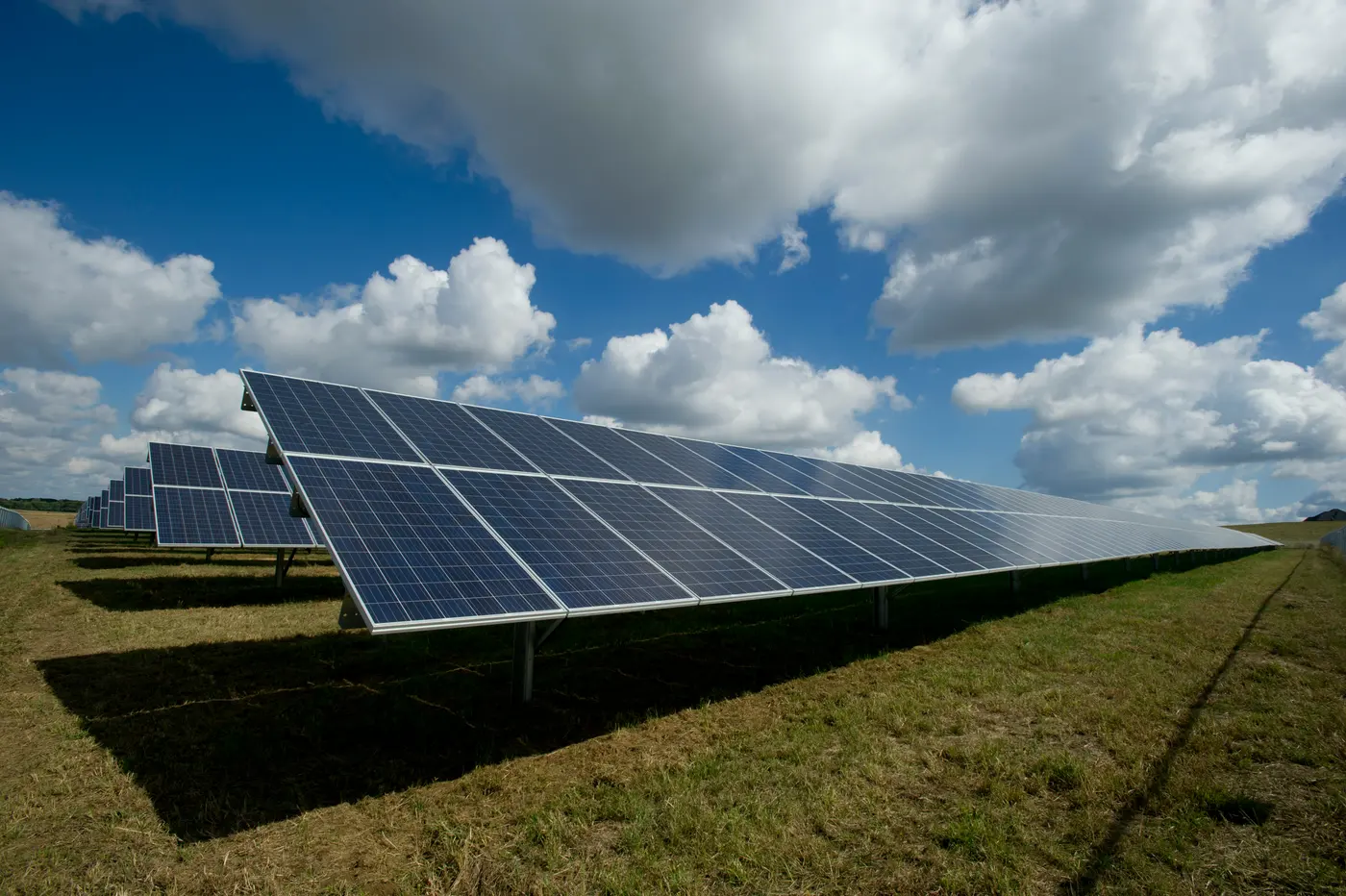
For rural businesses and agricultural producers, the USDA’s Rural Energy for America Program (REAP) offers one of the most valuable opportunities to secure funding for clean energy upgrades (7 CFR §4280.101). Whether your project is solar, wind, biomass, or an efficiency improvement, these energy grants can significantly reduce your project costs while supporting rural development and long-term sustainability.
Here’s what you need to know to qualify.
1. Understand the REAP Program’s Purpose
The USDA’s REAP program was created to help agriculture producers and rural small businesses invest in renewable energy systems and efficiency upgrades. Eligible projects can receive up to 25% of project cost in grant funding. You cover at least 75% (7 CFR §4280.122(a)(3)). Grant requests run from $1,500 up to $500,000 for renewable energy systems and up to $250,000 for efficiency projects (7 CFR §4280.122(a)(2)).
The biggest change in the October 2026 rule is timing. REAP now funds projects that are already finished. Your project must be completed 12 to 24 months before you apply. In the first application window, the range is 12 to 36 months (7 CFR §4280.122(a)(1), (a)(6)).
2. Check Your Eligibility
To qualify, your operation must be:
-
A rural small business OR an agricultural producer (7 CFR §4280.120(a)(4)). A rural small business meets SBA size standards and is located in a rural area. An agricultural producer must be 100% owned by one person or one family, or wholly owned by an Indian Tribe. All owners must take part in the work or management, and the majority owner must earn at least 50% of their income from the farm, based on the most recent calendar year (7 CFR §4280.104).
-
Located in an eligible rural area. The project location must be rural, for farms and small businesses alike (7 CFR §4280.122(a)(4)). You can check via the USDA’s mapping tool.
-
Registered in SAM.gov with the “All Awards” option. Rural small businesses also need an active SBA profile in SAM.gov that shows them as a small business (7 CFR §4280.120(a)(1)-(2)).
-
In business at least 12 months before the project started (7 CFR §4280.120(a)(5)).
-
The owner of the system. Your business must own the system and own or control the site (7 CFR §4280.120(a)(6)).
-
Done with an eligible energy project, such as:
- Solar PV or thermal systems
- Wind, geothermal, or biomass installations
- Efficiency upgrades like lighting, HVAC, insulation, refrigeration, or irrigation system improvements
Some projects are not eligible. These include ground-mount solar or wind on cropland and projects at more than one location (7 CFR §4280.122(b)(10)-(11)). The project also needs a meter dedicated to the business (7 CFR §4280.122(a)(16)). Try our eligibility tool to check your project.
3. Meet the Technical & Financial Requirements
Your application must include:
-
A technical report. Efficiency projects of $80,000 or less need an Energy Assessment. Larger efficiency projects need an Energy Audit. Renewable systems need a Resource Assessment or a Feasibility Study (7 CFR §4280.131(b)(3))
-
An itemized budget listing each cost, when it was paid, and whether it was paid with cost sharing or federal funds (7 CFR §4280.131(b)(15))
-
Real energy data. Renewable systems need 12 consecutive months of energy use from before installation and 12 months of production after. Efficiency projects need energy use before and after the upgrade (7 CFR §4280.131(b)(17))
-
Business financial statements for your most recent fiscal year. They must show a current ratio of at least 1:1 and positive cash flow (7 CFR §4280.120(a)(7)). Projects costing $200,000 or more also need two years of pro forma statements (7 CFR §4280.131(a)(9))
4. Gather the Right Documentation
The USDA requires specific paperwork for compliance and scoring. A strong submission will include:
-
Technical reports
-
Business and financial documents
-
Details on your installer and other contractors, including license numbers and how you selected them (7 CFR §4280.131(b)(7)-(8))
-
Environmental review documentation (7 CFR §4280.122(a)(12))
Incomplete applications are rejected, so every required item matters (7 CFR §4280.133(b)). See our application guide for the full list.
5. Strengthen Your Application Strategy
The USDA awards energy grants on a competitive basis. Applications are scored out of 90 points, with up to 10 more priority points. Applications under 40 points are not funded (7 CFR §4280.140(d)-(e), §4280.150). To improve your chances:
-
Show the energy your project saves or produces, and its simple payback. These criteria carry most of the points (7 CFR §4280.140(d)(2), (d)(3), (d)(6))
-
Count your impact. Businesses with at least three employees besides the owners, or that provide critical community services, can earn impact points (7 CFR §4280.140(d)(1))
-
Check the priorities USDA posts on the program website for priority points (7 CFR §4280.140(e))
Want a rough idea of your score? Try our score estimator.
6. Get Expert Help
Because REAP applications are detailed and competitive, many businesses partner with professional grant consultants to manage the process from eligibility review to submission. This helps position your project for the highest score it can earn and that all incentives and financing opportunities are considered.
The USDA’s REAP program is a powerful tool for helping rural businesses and farms adopt renewable energy systems and efficiency upgrades. With the right funding strategy, strong documentation, and an experienced partner, you can secure grant incentives that make your project affordable, sustainable, and impactful for years to come.